Belonging
Jesus teaches believers to approach God as “Our Father in heaven,” revealing both God’s loving fatherhood and His divine majesty. Through Christ, believers are restored into God’s family and invited to pray in freedom, unity, and trust in His providence. This prayer redirects the heart from worldly self-focus toward eternal realities and dependence on God.
Introduction
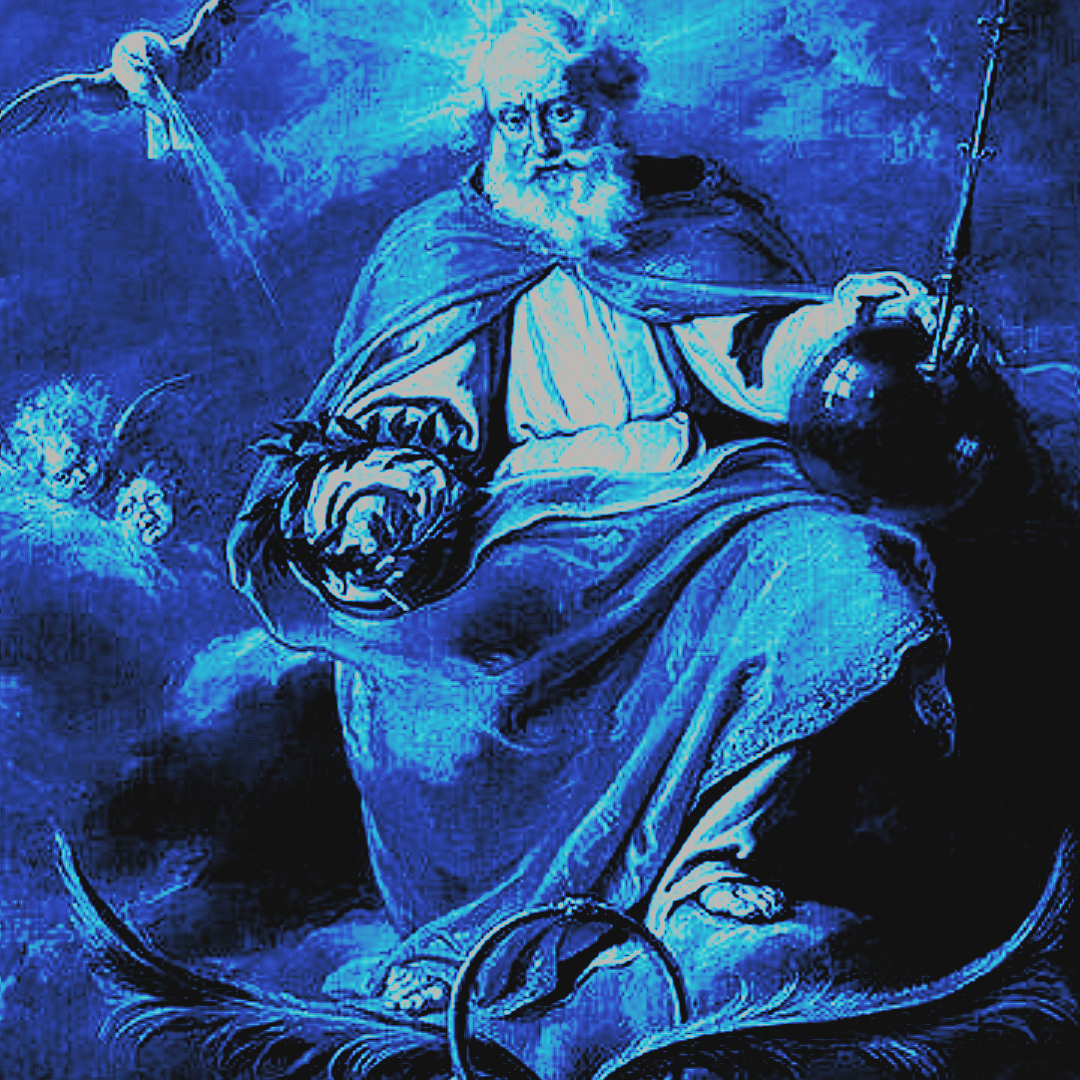
Jesus begins the Lord’s Prayer with the phrase:
“Our Father in heaven…” (Matthew 6:9).This is the address Jesus teaches believers to use when approaching God the Father.
The phrase corrects several false understandings about God and prayer.
Error #1 — God Does Not Care About Human Life
Some believe God is distant and unconcerned with humanity.
This reflects a deistic understanding of God.
Jesus rejects this idea by teaching believers to call God “Father.”
1 John 3:1 teaches that believers are called children of God.
Children of God
God is Creator of all humanity.
However, sin separated humanity from proper relationship with God.
Isaiah 59 teaches that sin separates people from God.
Through Christ, believers are restored into God’s family.
Only those in Christ properly relate to God as Father.
Unbelievers may be creatures of God, but not children in covenant relationship.
God nevertheless cares for and loves humanity.
Error #2 — God Forces Everything by Necessity
Some believe God controls all things in a coercive way.
This would eliminate genuine freedom.
Human beings possess free will.
Sin creates slavery to sinful habits, but people still act freely.
Christ brings freedom from slavery to sin.
Romans 8:15
Believers receive the Spirit of adoption, not slavery.
Christians relate to God with the freedom of children.
Prayer is a free relationship, not forced interaction.
Error #3 — Prayer Cannot Affect Anything
Some believe prayer changes nothing because providence is fixed.
Prayer does not oppose providence; it operates within God’s providence.
God answers prayers according to His will.
God gives what is truly good for His children.
Prayer aligns believers with God’s will.
God as a Good Father
Many struggle to understand fatherhood because of broken families.
Earthly fathers may fail, but God is perfectly good.
God’s fatherhood is loving, righteous, and faithful.
He desires good for His children.
“Our Father” — The Communal Nature of Prayer
Prayer Is Communal
Jesus teaches believers to pray “Our Father,” not “My Father.”
Christianity is not radical individualism.
Believers belong to the family of God together.
Christians relate to one another as brothers and sisters in Christ.
Unity in the Body of Christ
God is the same Father to all believers.
No individual has exclusive ownership of God.
Relationship with God must remain connected to the Church and revealed truth.
Understanding God as “our Father” creates unity and love among believers.
“Who Is in Heaven”
God’s Majesty and Power
Heaven points to God’s divine authority and majesty.
God rules over heaven and earth.
Heaven represents God’s transcendence and glory.
Lifting Our Perspective
Saying “our Father in heaven” lifts our focus from earthly things to eternal realities.
Prayer redirects the heart away from temporary concerns toward God.
Christians are called to think beyond materialism and worldly humanism.
Warning Against Humanism and Idolatry
Modern culture often places humanity in the place of God.
Humanism teaches that man is the measure of all things.
This becomes idolatry when humans seek ultimate control and mastery.
Believers must recognize the distinction between the human and divine realms.
Prayer lifts the mind toward eternity and dependence on God.