Becoming
The First Commandment calls believers to love, trust, and hope in God alone, placing Him above all else. Sins against faith, hope, and love—such as heresy, despair, presumption, and idolatry—fracture this foundational relationship with God. Living this commandment requires true worship, faithful obedience, and a life ordered entirely toward God.
Deuteronomy 5:6-10
6 “‘I am the Lord your God, who brought you out of the land of Egypt, out of the house of slavery.
7 “‘You shall have no other gods before me.
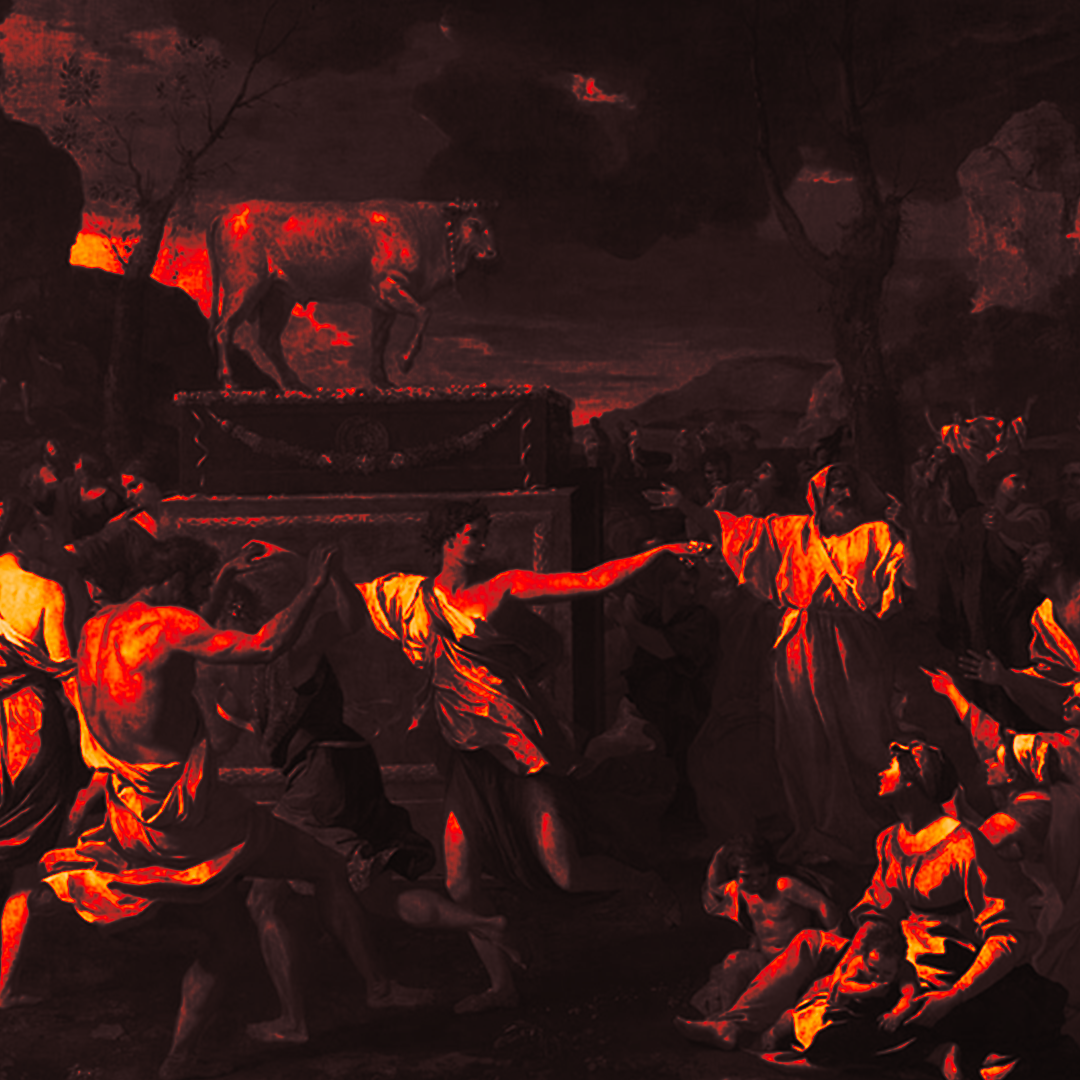
8 “‘You shall not make for yourself a carved image, or any likeness of anything that is in heaven above, or that is on the earth beneath, or that is in the water under the earth. 9 You shall not bow down to them or serve them, for I the Lord your God am a jealous God, visiting the iniquity of the fathers on the children to the third and fourth generation of those who hate me, 10 but showing steadfast love to thousands of those who love me and keep my commandments.
The First Commandment
Deuteronomy 5:6–8: God reveals Himself as the Lord who delivers Israel from slavery.
The commandment begins with relationship before prohibition.
“You shall have no other gods before Me” is a call to place God above everything else.
This commandment requires loving God with heart, soul, mind, and strength, as Jesus taught.
It directly involves the theological virtues of faith, hope, and love.
Sins Against Faith
Faith is our duty toward God: to believe in Him and bear witness to Him.
Faith is grounded in what God has revealed in Scripture, not feelings or imagination.
Voluntary doubt
deliberately rejecting as true what God has revealed — this is sin against faith.
Involuntary doubt
difficulty understanding aspects of faith; if not addressed, it can lead to spiritual blindness.
Heresy
The obstinate denial of a truth that must be believed for salvation.
It is measured against the clear teaching of Scripture and the historic Church.
Heresy always involves obstinacy.
Formal heresy:
knowingly holding a false belief against the Church’s teaching.
Material heresy:
doctrinal error without full awareness.
Apostasy
The total rejection of the Christian faith.
It does not deny only one doctrine, but the entire faith: Christ, the Church, the Creed, the Commandments, and the Holy Spirit.
Schism
Rejection of the authority of the Church, both local and universal.
An active act that seeks to divide unity in doctrine and faith.
True faith produces unity, not confusion or chaos.
Sins Against Hope
To sin against hope is to sin against the First Commandment.
Despair
Abandoning hope in salvation, forgiveness, or God’s help.
God does not desire that humanity fall into despair; He is faithful to His promises.
Suicide and self-destructive behaviors are expressions of despair.
Presumption
Trusting in one’s own abilities instead of relying on God.
Believing one can be saved simply by “being a good person.”
Abusing God’s mercy without repentance or obedience.
Presuming salvation without cooperation with the Holy Spirit is sin against hope.
Sins Against Love
To love is to will the good of another.
Ways of sinning against love:
Indifference: ignoring God’s goodness and love.
Ingratitude: failing to respond with gratitude to the love received.
Lukewarmness: resisting closeness to God when He calls.
Spiritual sloth: rejecting the joy that comes from God.
Hatred of God: expressed verbally or through actions contrary to His will.
True love is demonstrated through obedience.
Living the First Commandment
Worship: giving God the worship that belongs to Him alone.
Avoiding superstition: spiritual practices not supported by Scripture (horoscopes, occult practices, angel worship, etc.).
Idolatry: turning good things into “gods” by placing them above God.
Atheism: denying God’s existence, which leads to self-idolatry.
Agnosticism: an ambiguous stance toward God’s existence.
Images: the Church distinguishes between veneration and adoration; only God is worthy of adoration.