Becoming
Communion is a sacrament instituted by Christ to remember His sacrifice and to transmit to us the benefits of His atoning death.
In it we receive the body and blood of Christ in a real way, we find union with Him and with the Church, and we are strengthened physically and spiritually.
For this reason it must be taken with deep reverence, examination, and faith, as a sacred encounter with the living God.
What Communion Is
It is the second principal sacrament (evangelical sacraments).
Also called Eucharist.
It was instituted by Christ with two purposes:
To remember His atoning sacrifice, His death, and the life He gave us.
To transmit the benefits of His sacrifice to the Church.
In communion two truths coexist: commemoration and the presence of Christ.
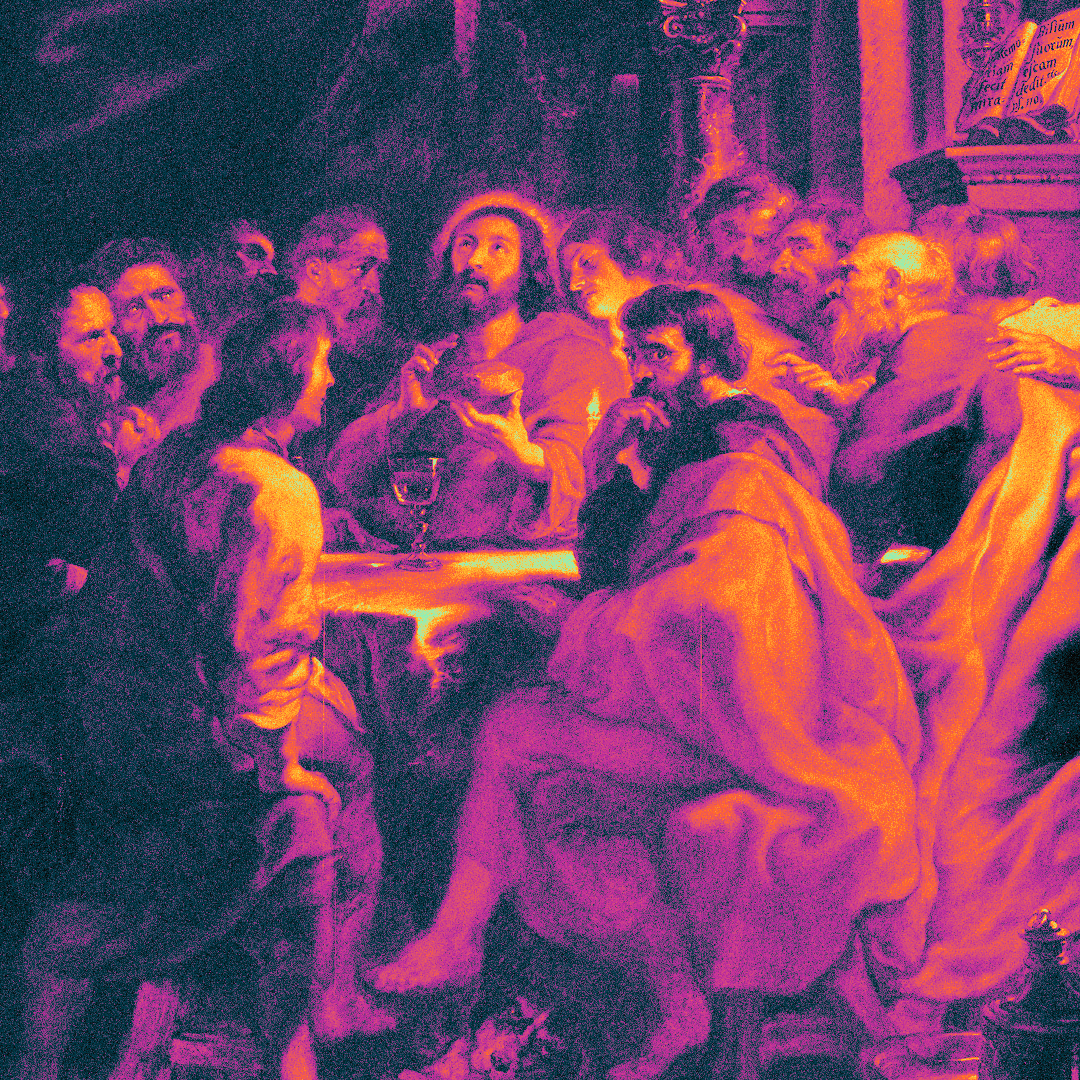
Origin of Communion — Luke 22:14–20
Christ intensely desired to eat the Passover with His disciples before suffering.
He calls the Passover “to eat communion,” showing continuity with tradition.
Jesus takes the bread and the “fruit of the vine” (wine) and declares:
“This is my body given for you.”
“This cup is the new covenant in my blood.”
This moment is the source of the Christian communion tradition.
Communion in the Early Church — 1 Corinthians 11:23–26
Paul inherits this tradition directly from the Lord, even though he was not at the Last Supper.
The institution Paul describes coincides almost verbatim with that of Luke.
The Church faithfully transmitted communion from generation to generation.
Relationship Between Passover and Communion
The bread and the wine are the external sign that fulfills the Passover.
Passover commemorated that the angel of death passed over Israel when they saw the blood of the lamb.
Christ is the spotless Lamb, whose blood on the “doorpost of the heart”
delivers us from death and eternal destruction.Passover was a shadow of the true reality revealed in Christ and communion.
The Internal Sign — The Body and Blood of Christ
The external sign is the bread and the wine; the internal sign is the body and blood of Christ.
John 6:55–56: Christ affirms that His flesh is true food and His blood true drink.
It is not symbolic language: Christ speaks literally.
Transubstantiation is not upheld, but the real presence is (consubstantiation).
In communion we encounter God, and Christ is faithful to His word.
Communion is not entertainment; its purpose is that we have an encounter with the living God.
Benefits of Communion
Physical nourishment — bread and wine strengthen the body.
Spiritual strength — grace nourishes the soul.
Forgiveness — we remember His crucifixion and atonement.
Unity — it unites us with Christ and with one another; it is a sacrament of love and union.
For this reason, communion is only for Christians; otherwise there is no true union.
Requirements to Take Communion
Examination of conscience:
Am I truly repentant?
Have I left sin and returned to God in faith?
Do I come with thanksgiving? (“Eucharist” = thanksgiving)
1 Corinthians 11:27–32:
Taking communion unworthily brings judgment, not condemnation.
The judgment of God corrects, so that we may not be condemned with the world.
It must be taken with great reverence, seeking that the sacrament help us grow in holiness.