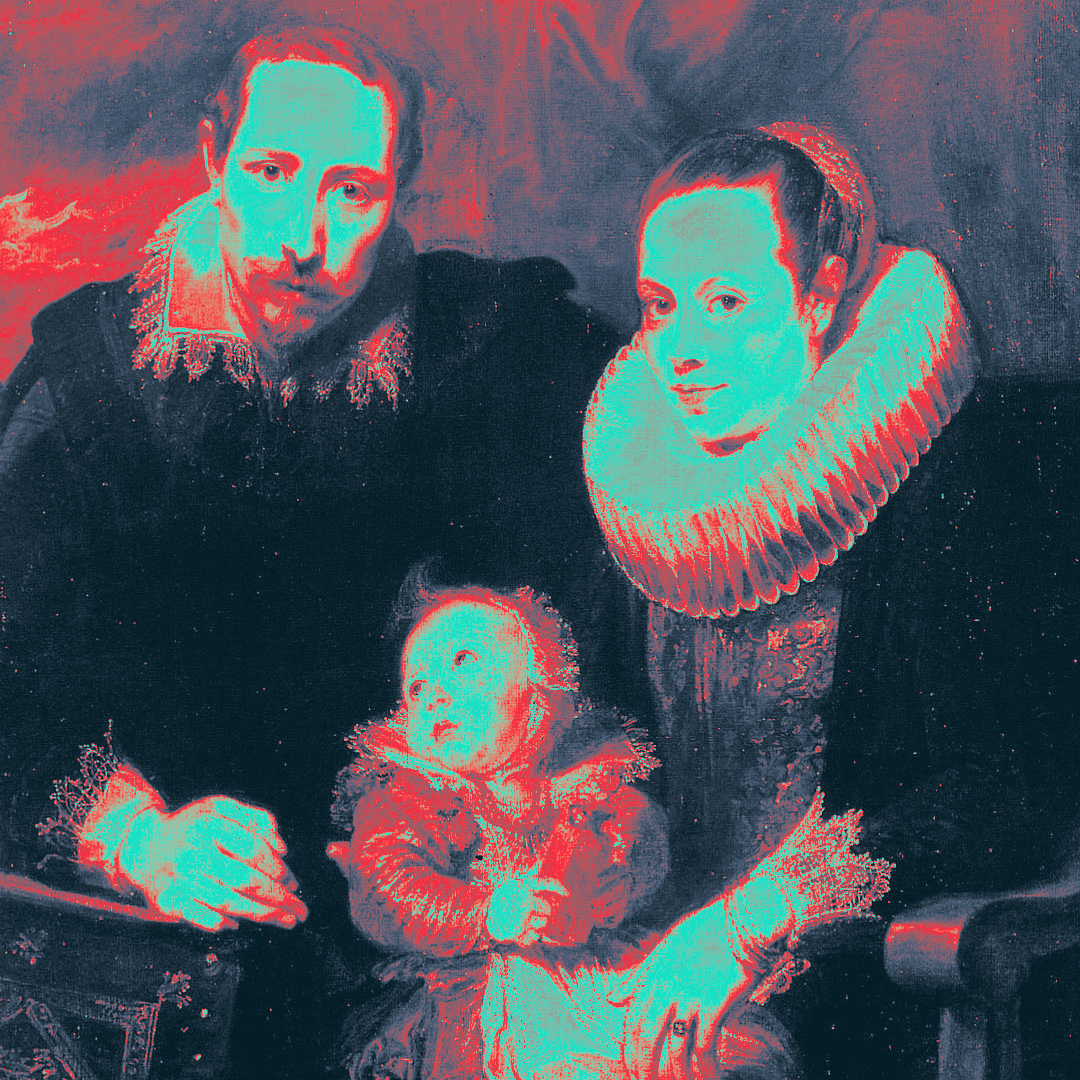
Becoming
The Fourth Commandment teaches that honoring father and mother is the foundation of social life and the starting point of loving our neighbor. God establishes the family as the primary unit of society, with parents bearing responsibility for the spiritual and moral formation of their children. While Christians are called to be faithful citizens, loyalty to God and the family ultimately takes precedence when civil authority conflicts with God’s moral order.
Deuteronomy 5:16
“Honor your father and your mother…”
The Meaning of the Fourth Commandment
The commandment calls us to recognize that our parents are people to whom we owe deep loyalty and honor.
God begins the horizontal commandments not with individual rights, but with the family.
Before claiming rights, we must recognize that our life and everything we possess were first given to us through our parents.
Honoring parents is foundational to understanding how to treat our neighbor.
The Family as the Foundation of Society
A family is formed by one man and one woman united in marriage together with their children.
The family is the fundamental building block of society.
This commandment assumes the presence of children and calls them to honor and respect their parents.
Without children, the commandment loses its intended meaning.
The Fourfold Purpose of Marriage
Intimacy of Relationship
Marriage provides the highest level of human intimacy.
Procreation of Children
Life flows naturally from marital intimacy when it is not deliberately frustrated.
Children are a blessing, not a curse, and couples should be open to receiving them.
Education of Children
Parents are responsible for raising children in the fear of the Lord and sound doctrine.
Mutual Support and Sanctification
Marriage exposes selfishness and forms spouses in self-giving love.
God grants grace so husband and wife grow together in holiness.
Order and Roles Within the Family
Differences in roles do not imply differences in value; they are differences in function.
Scripture presents the father as the leader of the family and the mother as his helper.
Children are those being formed, nurtured, and guided.
The family operates as a team, but with an ordered structure.
Christ, the Church, and the Model of Marriage (Ephesians 5:24–25)
Wives are called to submit as the Church submits to Christ.
Husbands are called to love sacrificially, as Christ gave Himself for the Church.
Biblical leadership is not domination, but self-giving service.
True authority is exercised by using power to serve, not to control.
Parents as the First Pastors
Ephesians 6:4 calls parents to raise children in discipline and instruction of the Lord.
Parents—not schools or churches—bear primary responsibility for moral and spiritual formation.
Parents are the pastors of their children, responsible for prayer, teaching, and evangelization.
A person’s first ministry is their family; leadership elsewhere flows from faithfulness at home.
The Family and the State
Families exist within the state, but families precede the state.
Every society is a collection of families; the family is the first society.
The state has a duty to protect marriage, family stability, religious freedom, and parental rights.
The marketplace and political structures should serve families, not undermine them.
Citizenship and Christian Obedience
Christians are called to honor and submit to governing authorities (Romans 13:1–7).
Duties include paying taxes, voting, and defending the nation.
Loyalty to the state is real, but secondary to loyalty to God and family.
Obedience to God Above the State
Acts 5:29: “We must obey God rather than men.”
When laws are legal but immoral, Scripture permits civil disobedience as a last resort.
Conditions for civil disobedience:
Serious and prolonged violation of fundamental rights
All legal remedies exhausted
Resistance must not cause greater disorder
A well-founded hope of success
No better alternative available