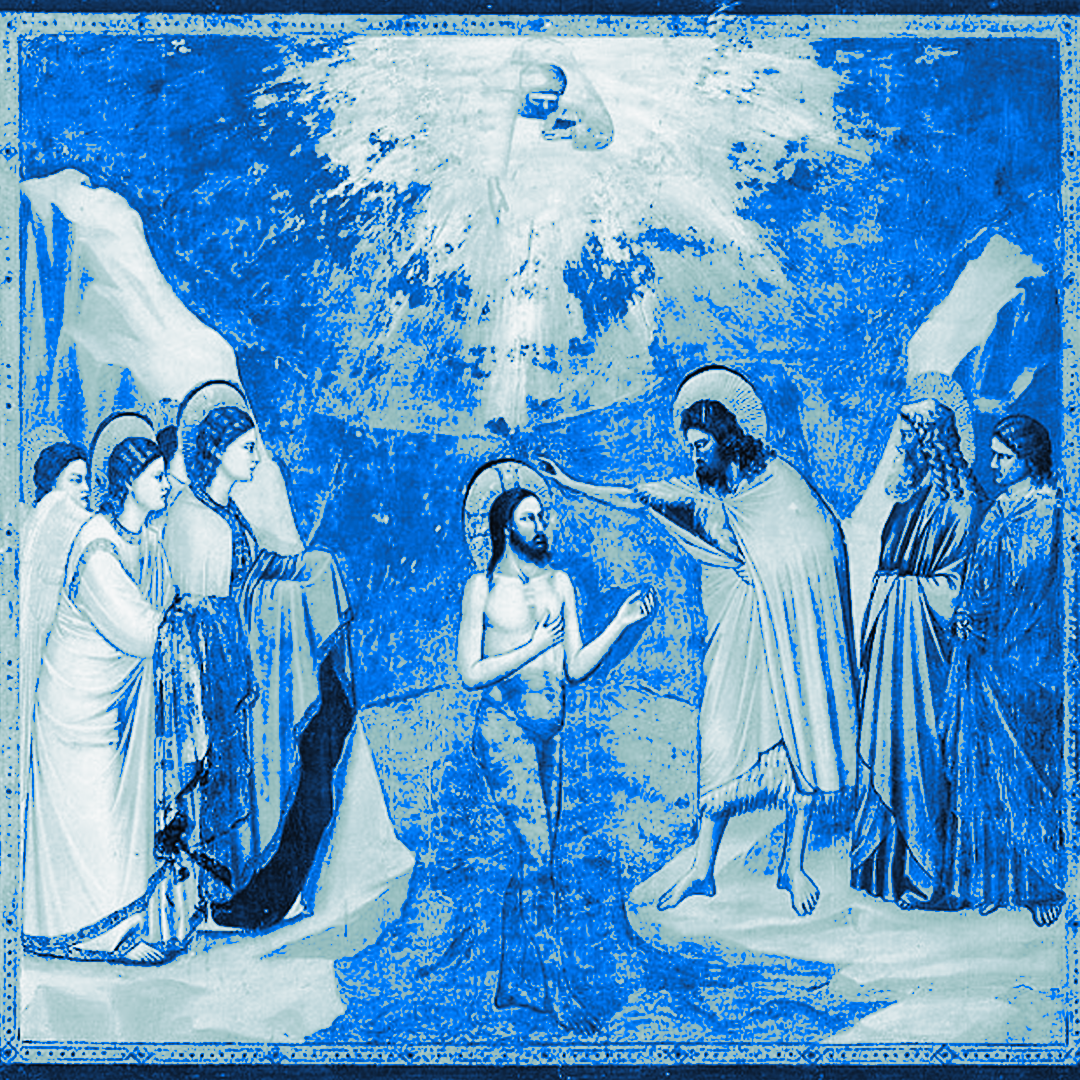
Becoming
Baptism is the sacrament of faith that externally represents the internal grace of salvation.
Christ instituted it as a means to unite us to Himself, marking the beginning of a life transformed by repentance and faith.
Through water and the Spirit, the believer is included in the family of God and strengthened by His grace.
Sacraments: Means of Grace
The sacraments are visible and defined means through which we receive grace.
The word sacrament means “sacred mystery”: an external and physical sign of an internal and spiritual grace.
God provides them as a tangible assurance that we walk in grace.
Although God can act outside of them, He uses these main means as regular channels of grace.
The Principal and Secondary Sacraments
Two principal sacraments:
Water Baptism
Holy Communion (Eucharist)
Both were directly ordained by Christ.
Five secondary sacraments:
Confirmation (Baptism in the Holy Spirit)
Ordination (Pastoral ministry)
Marriage (Ephesians 5 – great mystery)
Absolution (Confession and reconciliation)
Anointing of the sick
These sacraments reflect the ongoing work of grace in the Church.
Baptism: Its Meaning
It is the immersion of the believer in water as an external sign of an internal reality.
The Greek term baptizo (βαπτίζω) means to immerse completely, not “to sprinkle.”
Christ Himself was immersed in the Jordan (Matthew 3).
Baptism expresses our participation in the death and resurrection of Christ.
Water symbolizes the internal and spiritual grace that unites us to Christ.
1 Peter 3:20–21: Baptism saves us, not by external cleansing, but as “an appeal to God for a good conscience.”
Two things are required:
1️⃣ Genuine repentance — turning away from sin.
2️⃣ Faith in God — trust in the promises of baptism.Baptism is the public confession of an internal transformation.
Baptism and Salvation
Baptism in Acts 2
Peter preaches the Gospel and calls people to repent and be baptized (Acts 2:37–38).
The Gospel pierces the heart, showing judgment and mercy.
True faith responds with action: repentance and baptism.
Baptism is the sacrament of faith, a visible work of internal grace.
Infant Baptism
In favor:
Practiced since the Early Church and has basis in Acts 16 (the jailer and his household).
In the Old Testament, infants entered the covenant through circumcision.
Parents dedicated their children to the Lord.
Against:
Infants do not understand the Gospel and cannot confess faith.
Many churches practice child dedication instead, also based on circumcision.