Belonging
The Holy Spirit is revealed as fire, symbolizing His power to ignite, purify, and transform the believer’s life. This fire rests on surrendered lives, calling Christians to live as living sacrifices on the altar of the cross. Through faith, obedience, and prayer, believers maintain this fire and reflect God’s light to the world.
Introduction
The Holy Spirit has been defined in prior teaching as love and as one who relates personally to believers.
Scripture reveals the Holy Spirit in multiple ways:
As a cloud in the wilderness
As breath
As a dove
However, His primary tangible revelation is fire.
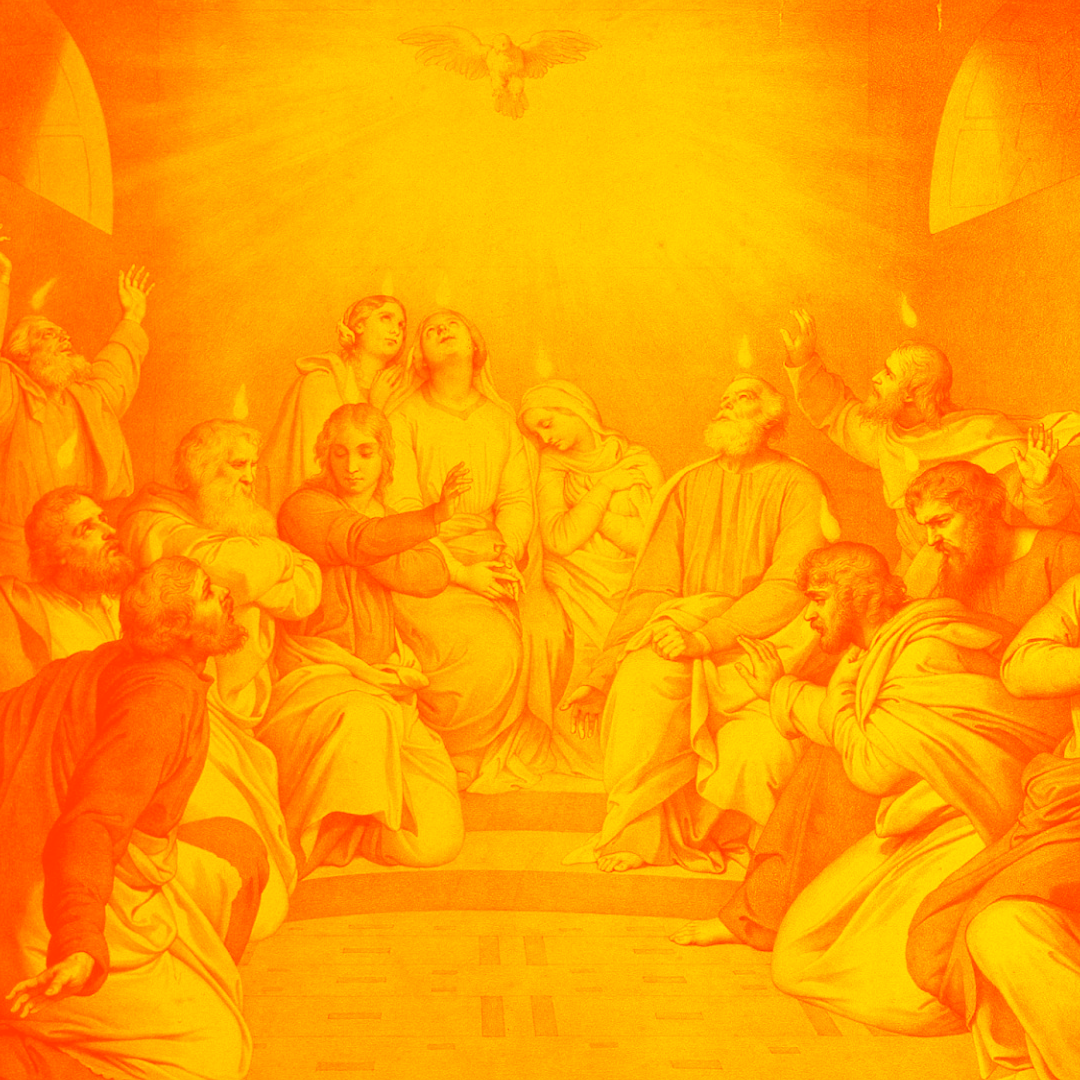
Acts 2:1–4 describes Pentecost, where the Spirit descends as tongues of fire.
This marks the beginning of the Church’s mission.
The disciples were waiting in prayer for the promise of the Spirit.
The Spirit comes and rests upon each person as fire.
Revelation as Fire
The Holy Spirit reveals Himself as fire.
Fire represents:
Passion
Zeal
Fervency
The Spirit comes to set hearts ablaze.
When the Spirit fills the disciples, they act boldly (e.g., Peter preaching).
Love is always “on fire” toward its object.
Because the Spirit is love, He comes as fire to ignite love in us.
The Work of Fire in the Believer
The fire of the Spirit:
Consumes
Cleanses from sin
Purifies from unrighteousness
It also produces light:
The believer becomes visible like a beacon
Reflecting God’s light to the world
Fire in the Old Testament
The temple contained three fires:
The bronze altar
The lampstand
The altar of incense
These fires were perpetual and came directly from God.
They were not man-made.
They represented the holiness of God.
The Believer as the Temple
The believer is now the temple of the Holy Spirit.
The fire must remain continually burning.
When devotion, relationship, and prayer are neglected:
The fire goes out.
Fire and Sacrifice
In the Old Testament, fire fell on sacrifice, not on an empty altar.
Romans 12:1–2
Believers must present themselves as living sacrifices.
Growth in the Spirit requires full surrender.
The fire of God falls on surrendered lives.
Jesus is the ultimate sacrifice.
Believers follow His pattern:
Surrender
Sacrifice
Total offering of self
Fire and the Cross
The altar of the believer is the cross of Christ.
When a believer surrenders fully:
The Spirit consumes the life
Cleanses sin
Produces a radiant life
The goal is that others see Christ through us and are drawn to Him.
God’s Fire vs. Other Fires
There are false fires:
The flesh
The world
The devil
The only answer is the holy fire of God.
God’s fire:
In heaven → reveals His glory
In judgment → reveals His justice
How to Receive the Holy Spirit
1.Receive by Faith
Believe and trust His truth.
Unbelief is an obstacle.
The Spirit is received through faith in His Word.
2.Cooperate in Hope
Obey His direction.
Align your will with His will.
Remove what He rejects; accept what He desires.
Romans 8:14 — be led by the Spirit.
Allow Him to guide your life.
3.Exalt Him in Love
Through prayer and praise.
Offer sacrifice of worship.
Romans 8:5 — set your mind on the Spirit.
Romans 14:17 — pursue righteousness, peace, and joy in the Spirit.