Worship
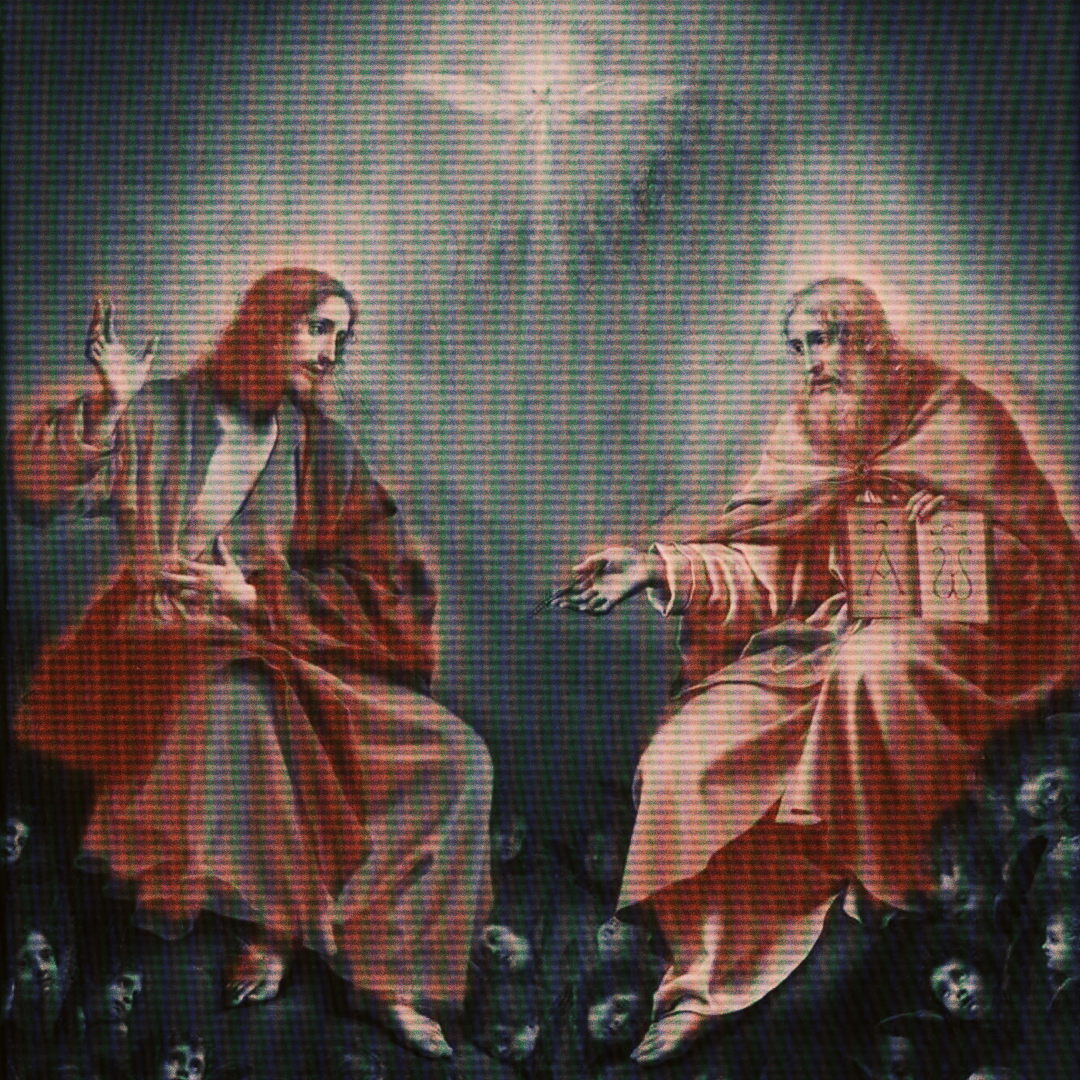
Christian worship is directed to the one Triune God: Father, Son, and Holy Spirit. Scripture openly directs praise to the Father and the Son, while the Holy Spirit is also worthy of worship because He is fully Yahweh and shares the same divine nature. True Trinitarian worship honors the unity of God while also recognizing the distinct work of each Person in salvation and in the life of the Church.
We Worship the Father
Scripture repeatedly directs praise and blessing to God the Father.
The Father is described as the Father of mercies and the God of all comfort.
Every spiritual blessing comes from Him through Christ.
Christian worship rightly honors the Father.
We Worship the Son
Scripture also directs glory, honor, and worship to Jesus Christ.
Revelation presents the Lamb as worthy to receive power, honor, glory, and blessing.
Every knee will bow and every tongue confess that Jesus Christ is Lord.
Jesus is worthy of worship because He is truly God.
Jesus at the Center of Worship
Jesus is the one who was slain and who redeemed a people for God.
His death and resurrection are central to the worship of the Church.
Through Him, believers are made a kingdom and priests to God.
Christian worship cannot be separated from the person and work of Christ.
Worshiping the Holy Spirit
Scripture does not often present the Holy Spirit as the direct object of worship.
Yet the Holy Spirit is fully God.
Yahweh is the Triune God: Father, Son, and Holy Spirit.
Therefore, when Yahweh is worshiped, the Holy Spirit is included in that worship.
The Work of the Holy Spirit
Scripture often emphasizes the Spirit’s activity rather than directly addressing worship to Him.
The Spirit guides, leads, comforts, gives life, and empowers God’s people.
He is the Helper who works intimately within believers.
His distinct role does not make Him less divine.
Trinitarian Worship
Christian worship is ultimately worship of the Triune God.
The Father, Son, and Holy Spirit are coequal, coeternal, and of the same divine substance.
The three Persons have distinct functions without being unequal.
Trinitarian worship reflects the eternal glory of God.
Father, Son, and Holy Spirit
The Father, Son, and Holy Spirit can be praised for their distinct work.
We worship Jesus for His sacrifice and redemptive work.
We worship the Father for His wisdom and sovereign plan.
We worship the Spirit for His presence, intimacy, leading, and power.
Divine Order Without Inferiority
Scripture reveals an order within the work of the Trinity.
Jesus submits to the Father’s will, and the Spirit carries out the divine work.
These distinctions are functional, not differences in divine worth.
The Son and the Spirit are not less God than the Father.
Knowing God Accurately
Worship is connected to knowing God as He has revealed Himself.
Recognizing the distinct work of each Person deepens intimacy with God.
God desires to be known accurately.
True worship grows from true knowledge of who God is.
Trinitarian Praise
Christian tradition has long praised Father, Son, and Holy Spirit together.
Trinitarian praise reflects the glory that has always belonged to God.
Worship on earth joins the eternal praise of the Triune God.
Christian worship is directed to Yahweh: Father, Son, and Holy Spirit.